

Cindy Faber | Occupational Health Advisor
When employers think about DOT compliance, vision often isn’t the first topic that comes to mind—until a driver fails a DOT physical or a certification is delayed. Yet vision is one of the most important components of driver qualification and highway safety.
For motor carriers, ensuring drivers meet FMCSA vision requirements isn’t just about regulatory compliance. It’s about reducing operational disruptions, minimizing risk, and helping qualified drivers remain safely behind the wheel.
Vision Is More Than a Medical Requirement
Commercial drivers rely on their vision every mile they travel. Reading traffic signs, identifying hazards, judging distances, recognizing signal lights, and reacting to changing road conditions all depend on healthy eyesight.
Unfortunately, many vision conditions develop gradually and without obvious symptoms. According to the CDC, more than 93 million U.S. adults are at high risk for serious vision loss, and millions more have treatable eye conditions that may affect driving performance.

Routine eye care can identify issues before they become safety concerns – or certification problems.
Vision Requirements for DOT Physicals
The Federal Motor Carrier Safety Administration (FMCSA) requires CMV drivers to meet specific vision standards outlined in 49 CFR §391.41. However, failing to meet the standard does not automatically end a driver’s career.
Under the Vision Alternative Standard (49 CFR §391.44), drivers who do not initially meet the vision requirement may still be medically certified if they:
- Obtain a completed FMCSA MCSA-5871 Vision Evaluation Report from a licensed ophthalmologist or optometrist within 45 days of the DOT physical.
- Meet all other FMCSA medical qualification requirements.
- Are determined qualified by the Certified Medical Examiner after reviewing the vision evaluation and completing the DOT examination.
When appropriate, the Medical Examiner may issue a medical certificate for up to one year.
For employers, understanding this process can help prevent unnecessary driver turnover and avoid losing experienced drivers who may still qualify under the alternative standard.
Common Conditions That Can Affect Driver Qualification
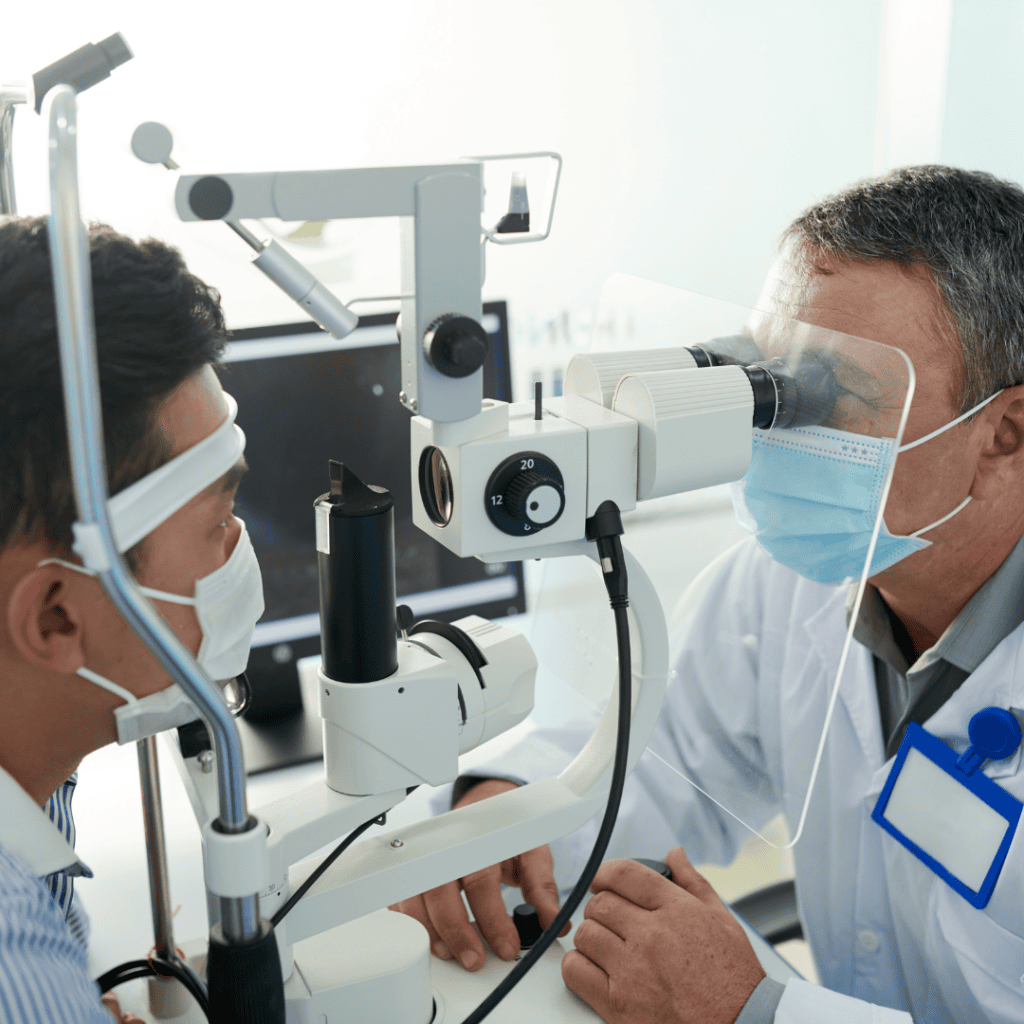
Regular eye examinations may detect conditions such as:
- Glaucoma
- Cataracts
- Age-related macular degeneration
- Diabetic retinopathy
- High blood pressure
- Heart disease
- Thyroid disease
- Other underlying health conditions
Early diagnosis and treatment can often help drivers maintain their vision, their health, and their ability to meet FMCSA medical standards.
The Employer's Role in Vision Compliance
Employers can take proactive steps to reduce compliance issues before they impact operations.
Consider encouraging drivers to:
- Schedule regular eye exams—even when they are not due for a DOT physical.
- Report changes in vision promptly.
- Wear corrective lenses as prescribed.
- Keep an extra pair of glasses available while driving.
- Address eye conditions before annual medical certification is due.
These simple practices can reduce last-minute surprises during DOT physicals and help avoid unnecessary downtime.
Driver's Tips for Protecting Your Vision
Healthy vision starts with healthy habits.
- Schedule routine eye exams every 1–2 years—or more often if recommended.
- Eat foods rich in vitamins A, C, E, and omega-3 fatty acids.
- Wear sunglasses that block 99–100% of UVA and UVB rays.
- Use protective eyewear when working around flying debris or hazardous materials.
- Follow the 20-20-20 rule: Every 20 minutes, look at something 20 feet away for 20 seconds to reduce digital eye strain.
- Stay hydrated and avoid excessive alcohol consumption.
- Quit smoking, which significantly increases the risk of cataracts and macular degeneration.
- Manage chronic conditions such as diabetes and high blood pressure.
Protect Your Vision. Protect Your Career.
Many eye conditions develop gradually, making routine eye care one of the smartest investments you can make. For commercial drivers, maintaining healthy vision isn’t just about seeing clearly—it’s about protecting your livelihood and ensuring you continue to meet FMCSA medical requirements.
Don’t take your eyes for granted. A simple eye exam today could protect both your health and your career tomorrow.
Protect Your Drivers—and Your Business
Healthy drivers are safer drivers. Encouraging routine eye care and understanding the FMCSA vision requirements can help prevent certification delays, retain experienced drivers, and support a safer operation.
Vision compliance isn’t just about passing a DOT physical – it’s about protecting your workforce, reducing risk, and keeping your fleet moving.
How WorkforceQA Helps Employers Stay Compliant
Managing DOT physicals across a workforce can be time-consuming, especially when drivers require additional medical documentation.
That’s where WorkforceQA helps.
Our DOT Physical Management Services coordinate the medical certification process from scheduling through documentation, helping employers maintain compliance while minimizing administrative burden.
Our Physical Review Services provide an additional quality review of completed DOT medical examinations to identify documentation errors, incomplete forms, certification inconsistencies, and potential compliance concerns before they become audit findings or driver qualification issues.
By partnering with WorkforceQA, employers can:
- Improve DOT medical compliance
- Reduce certification delays
- Support consistent medical documentation
- Minimize driver downtime
- Reduce audit risk
- Keep qualified drivers on the road
WorkforceQA’s DOT Physical Management and Physical Review Services assist employers in streamlining compliance, enhancing documentation accuracy, and confidently overseeing a vital aspect of driver qualification. We are dedicated to guiding employers and drivers through DOT medical compliance with assurance. These services help organizations lower compliance risks, boost efficiency, and ensure qualified drivers remain safely on the road.