

Cindy Faber | Occupational Health Advisor
Staying Healthy, Staying Qualified
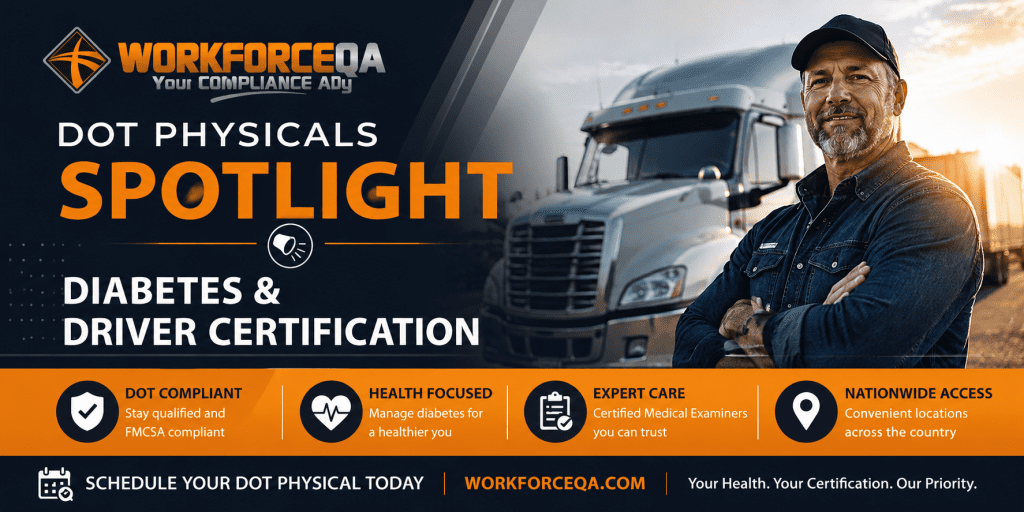
At WorkforceQA, we’re committed to helping drivers maintain both their health and their livelihoods. Through our nationwide DOT physical examination services, we work with employers and drivers to ensure commercial motor vehicle operators remain medically qualified while prioritizing their long-term well-being.
This month, we’re continuing our discussion on diabetes and its impact on driver certification.
Understanding Diabetes and Driver Health
Diabetes is a chronic condition that affects how the body processes glucose (blood sugar). When blood sugar levels rise too high, the condition is known as hyperglycemia. Conversely, when blood sugar drops too low, it is called hypoglycemia. Both can have serious health consequences if not properly managed.
For commercial drivers, diabetes management is particularly important. While a diabetes diagnosis does not automatically disqualify a driver from holding a CDL, uncontrolled diabetes or diabetes-related complications may impact DOT medical certification. Conditions such as peripheral neuropathy, vision impairment, or episodes of severe hypoglycemia can raise safety concerns during a DOT physical examination.
The Importance of Managing Diabetes
Whether you’re a CDL holder or not, following your healthcare provider’s treatment plan is one of the most important steps you can take to protect your health.
Take Medications as Prescribed
Even when you’re feeling well, it’s important to take diabetes medications exactly as directed. Missing doses can make blood sugar control more difficult and increase the risk of complications.
Eat Healthy on the Road
Healthy eating can be challenging for drivers, but it’s more achievable than ever. Many truck stops now offer nutritious options such as:
- Fresh salads
- Grilled chicken
- Eggs
- Wraps
- Fresh fruit
- Yogurt
- Steamed vegetables
If your truck has refrigeration, consider keeping healthy meals and snacks on hand to avoid relying on convenience foods.
Stay Active
Regular physical activity helps improve insulin sensitivity, control blood sugar levels, and support cardiovascular health. Even a short 10-minute walk after meals can provide measurable benefits.
Manage Stress
Stress can affect blood glucose levels and make diabetes harder to control. Exercise, hobbies, relaxation techniques, and conversations with trusted friends or healthcare professionals can all help reduce stress.
Don’t Smoke
Smoking damages blood vessels and circulation, increasing the risk of diabetes-related complications. Quitting smoking can significantly improve overall health outcomes.
Prioritize Dental and Foot Care
Elevated blood sugar can increase the risk of gum disease, tooth decay, and foot complications. Daily foot inspections and regular dental checkups should be part of every diabetes management plan.
Monitoring Blood Sugar Matters
Blood glucose targets are individualized and may vary based on factors such as:
- Duration of diabetes
- Age and life expectancy
- Other medical conditions
- Diabetes-related complications
- Risk of hypoglycemia or hypoglycemia unawareness
General medical guidance suggests many adults with diabetes aim for an Estimated Average Glucose (eAG) below 154 mg/dL, which corresponds to an A1C below 7%. However, treatment goals should always be determined in consultation with your treating physician.
For CDL drivers, Certified Medical Examiners commonly review A1C results as part of assessing diabetes management. In many cases, A1C values between 7% and 10% may demonstrate adequate control for certification purposes, although each driver’s medical situation is evaluated individually.
Can Type 2 Diabetes Go Into Remission?
The encouraging news is that many individuals with Type 2 diabetes can achieve remission and return blood sugar levels to a healthy range. Prediabetes can also often be reversed before it progresses to Type 2 diabetes.
Success typically requires a long-term commitment to:
- Following your physician’s treatment plan
- Exercising regularly
- Maintaining healthy eating habits
- Achieving and maintaining a healthy weight
- Monitoring blood sugar consistently
How WorkforceQA Supports Drivers
At WorkforceQA, our network of Certified Medical Examiners performs DOT physical examinations that help drivers maintain compliance with Federal Motor Carrier Safety Administration (FMCSA) medical certification requirements. We understand that managing chronic conditions such as diabetes can feel overwhelming at times, and our goal is to help drivers navigate the certification process with confidence.
When drivers arrive for a DOT physical, having documentation of their diabetes management, medication regimen, blood glucose monitoring, and recent A1C results can help support a smooth examination process.
Stay Healthy. Stay Certified. Stay Safe.
Managing diabetes is about more than maintaining a CDL—it’s about protecting your health, your career, and your quality of life. By working closely with your healthcare provider, making healthy lifestyle choices, and staying proactive about your condition, you can reduce the risk of complications and continue driving safely for years to come.
WorkforceQA is proud to support drivers and employers nationwide through comprehensive DOT physical services and occupational health solutions, drug and alcohol testing, background screening and compliance services that keep America’s workforce healthy, qualified, and moving forward.