

Artificial intelligence is changing how people apply for jobs, present their qualifications, and interact online. AI-generated résumés, professional profiles, work samples, fabricated credentials, and even synthetic identities are creating new challenges for employers evaluating candidates and making informed hiring decisions.
At the same time, publicly available digital information and social activity are creating additional considerations for HR, security, and compliance teams.
And as cyber threats become more sophisticated, the hiring process itself is increasingly part of the workforce risk conversation. Sensitive applicant and employee information must be protected, while employers also need confidence that the people entering their organizations are who they say they are.
These developments don’t replace the need for traditional background screening. In many ways, they make reliable verification, consistent screening practices, and secure information handling more important than ever.
AI Is Changing How Candidates Present Themselves
Generative AI has made it easier than ever to create polished résumés, cover letters, professional profiles, portfolios, and other application materials. These tools can help candidates communicate their experience and qualifications, but they can also make it more difficult for employers to distinguish accurate information from misrepresentation.

Potential concerns include:
- Employment histories or qualifications that cannot be independently verified
- Fabricated certifications, credentials, or professional experience
- AI-generated work samples that may not accurately represent a candidate’s capabilities
- Inconsistencies between application materials and verifiable information
- Synthetic identities or manipulated documentation used during the hiring process
Using AI to prepare application materials is not inherently a concern. The issue is whether the information presented is accurate, relevant, and verifiable.
For employers, this reinforces the importance of a consistent process for validating candidate information rather than relying solely on what appears in an application or résumé.
Public Digital Activity Adds Another Layer of Hiring Risk
Publicly available social activity can also raise questions for employers, particularly when hiring for safety-sensitive, regulated, or security-sensitive positions.
Digital content may provide additional context, but it can also be incomplete, misleading, outdated, or incorrectly attributed. Employers must be careful not to confuse personal opinions or unrelated activity with legitimate, job-related hiring considerations.
Any review of public digital information should follow established policies, consistent standards, and applicable employment and privacy requirements.
The goal isn’t to monitor every aspect of a candidate’s online presence. It is to understand what information is relevant to the position and how that information should be evaluated responsibly and consistently.
Cybersecurity Is Now Part of Workforce Risk
The growing number and sophistication of cyberattacks are creating another challenge for employers: protecting the sensitive information collected throughout the hiring and employment process.
Organizations in healthcare, transportation, financial services, and other regulated or safety-sensitive industries routinely handle personal information, employment records, medical information, and other sensitive data. As cyber threats evolve — including attacks that leverage artificial intelligence — protecting that information has become an increasingly important part of workforce risk management.
The hiring process can also present a security risk of its own. Fraudulent applicants, manipulated identities, and sophisticated social engineering can make it harder for organizations to know who is entering their workforce and what access that individual may eventually have.
This means workforce risk management cannot stop at the screening result. Employers should also consider how applicant and employee information is collected, accessed, stored, transmitted, and protected.
At WorkforceQA, information security is an important part of how we deliver workforce screening and compliance services. WFQA’s SOC 2 Type II audited environment, along with safeguards such as encryption, access controls, and multifactor authentication, supports the protection of sensitive information throughout the screening process.
As workforce screening becomes increasingly digital, employers need partners who understand that reliable screening and responsible information protection go hand in hand.
Why Reliable Background Screening Matters More Than Ever
Technology may be changing the hiring landscape, but the fundamentals of background screening remain the same: verify information, identify relevant records, and help employers make informed workforce decisions.
Independent verification of employment history, education, professional credentials, and other relevant information can help employers identify discrepancies that may otherwise go unnoticed.
For organizations in transportation, healthcare, and other safety-sensitive industries, these processes are particularly important. Hiring decisions can have implications for workplace safety, regulatory compliance, and the well-being of employees, customers, and the public.
Just as important as what is screened is how the screening process is conducted. Employers should work with screening providers that follow established compliance standards and responsible screening practices. WorkforceQA’s background screening services are supported by FCRA-certified screening professionals and PBSA accreditation, helping provide clients with a screening process grounded in compliance, consistency, and quality.
Background screening is one part of a broader workforce risk management strategy. Drug and alcohol testing, occupational health evaluations, and ongoing compliance requirements also play important roles in helping employers maintain qualified, safe, and compliant workforces.
Building a Consistent Approach to Emerging Hiring Risks
As technology and workforce risks continue to evolve, employers should periodically review their hiring and screening policies to ensure they address emerging challenges.
- Verify, don’t assume.
Use reliable verification processes to confirm employment history, education, credentials, and other job-related information.
- Establish consistent screening standards.
Apply screening requirements consistently to similarly situated candidates and positions.
- Keep digital reviews job-related.
If you review publicly available digital information, establish a written policy and focus on information relevant to the position.
- Protect candidate information.
Establish appropriate safeguards for accessing, handling, storing, and retaining sensitive personal information.
- Take a comprehensive approach.
Consider background screening, drug and alcohol testing, occupational health, and other compliance requirements as connected components of a broader workforce risk management strategy.
Preparing for the Next Generation of Hiring Risks
AI and digital technology will continue to change how organizations recruit, evaluate, and onboard employees. New tools will create opportunities, but they will also introduce new forms of fraud, misrepresentation, and cybersecurity risk.
Employers don’t need to eliminate technology from the hiring process. They need processes that help them use it responsibly while maintaining confidence in the information behind their hiring decisions.
One principle remains constant:
Hiring decisions should be based on accurate, verified, relevant information — and that information must be protected.
At WorkforceQA, we help employers navigate workforce screening, safety, and compliance through comprehensive background screening, drug and alcohol testing, and occupational health services.
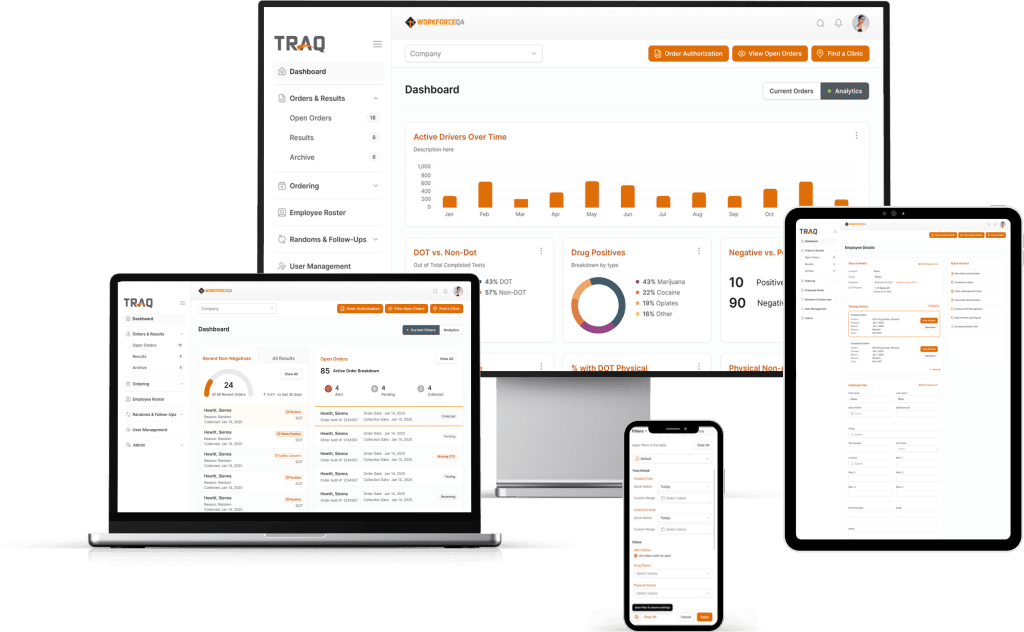
Through experienced professionals, reliable verification processes, and one connected platform, WorkforceQA helps organizations simplify screening, support compliance, and make more informed workforce decisions.
As hiring risks evolve, having a reliable screening strategy matters more than ever.
WorkforceQA: Connected Workforce Screening, Safety, and Compliance
Is your workforce screening strategy ready for what’s next?
WorkforceQA brings background screening, drug and alcohol testing, and occupational health together through one connected platform, backed by experienced professionals and a commitment to information security.
Let’s talk about strengthening your workforce screening strategy.
Contact WorkforceQA to learn how we can help your organization simplify screening, support compliance, and make more informed workforce decisions.