


In today’s competitive labor market, hiring quickly is important. Hiring correctly is essential.
For employers operating in safety-sensitive industries such as transportation, logistics, aviation, manufacturing, energy, and healthcare, every day a critical position remains vacant carries operational, financial, and compliance consequences.

Delayed hiring can disrupt schedules, increase overtime costs, reduce productivity, and place additional strain on existing employees. More importantly, when positions involve regulated or safety-sensitive work, employers cannot simply speed up the process; they must also ensure every candidate meets applicable federal, state, and industry requirements.
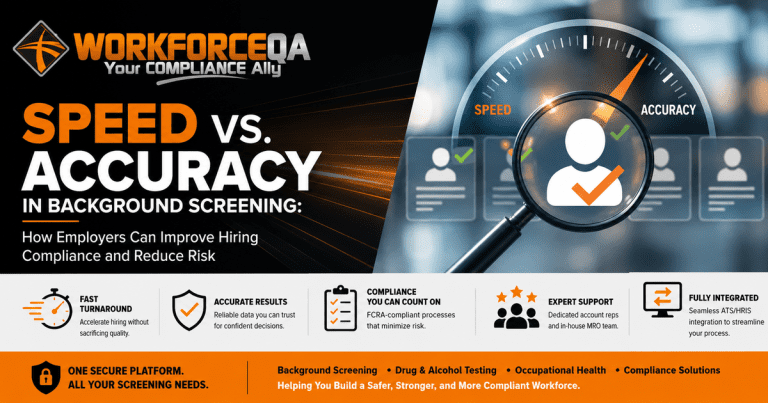
The challenge is finding the right balance between efficiency and compliance.
The Real Cost of a Slow Hiring Process
Most organizations recognize the direct costs of recruiting, but many underestimate the ripple effects when hiring stalls. A prolonged vacancy often means existing employees are asked to work additional hours, supervisors spend more time managing staffing shortages, and projects or deliveries may be delayed. In transportation and logistics, these delays can affect customer service, fleet utilization, and overall operational performance.
Hiring delays also impact candidates. Today’s job seekers frequently have multiple employment opportunities, and lengthy screening processes can result in qualified candidates accepting competing offers before onboarding is complete.
For employers subject to U.S. Department of Transportation (DOT) regulations, hiring timelines can be even more complex. Pre-employment drug testing, DOT physicals, driver qualification requirements, and Drug & Alcohol Clearinghouse queries all play an important role in determining whether a candidate is eligible to perform safety-sensitive duties. These requirements cannot be skipped or rushed, making an efficient screening process even more critical. Employers should ensure their hiring programs comply with applicable DOT regulations and Fair Credit Reporting Act (FCRA) requirements when using third-party background screening providers.
Why Hiring Bottlenecks Occur
Hiring delays are rarely caused by a single issue. Instead, they often result from disconnected processes and multiple vendors managing different portions of the pre-employment screening process.
A candidate may complete a background authorization on one platform, schedule a drug test through another vendor, complete a DOT physical with a third provider, and wait for employment verifications from yet another source. HR teams are left coordinating multiple systems, tracking emails, and following up manually to determine where each candidate stands.
Even small issues—such as incomplete candidate information, scheduling delays, or missing documentation—can quickly add days to the hiring timeline. Without real-time visibility into the process, hiring managers often don’t discover a problem until a candidate’s expected start date has already been delayed.
Compliance Should Never Be the Bottleneck
Background screening and occupational health services are designed to reduce organizational risk—not create unnecessary administrative burden.
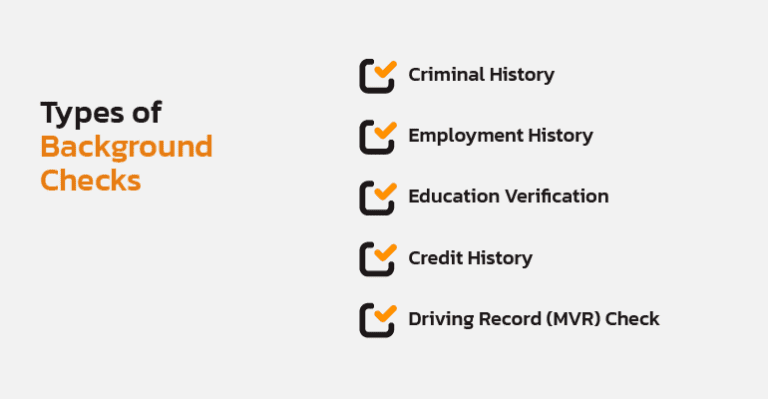
Employers hiring into regulated or safety-sensitive positions must comply with numerous federal requirements, including criminal background screening, drug and alcohol testing, employment verification, motor vehicle record reviews, and, when applicable, DOT medical qualification standards. Employers using third-party background screening providers must also comply with the Fair Credit Reporting Act and Equal Employment Opportunity Commission (EEOC) guidance governing the use of background information in employment decisions.
Rather than treating these requirements as separate tasks, leading organizations are integrating them into a single, standardized hiring workflow. This approach reduces duplicate work, improves communication between departments, and creates greater consistency throughout the hiring process.
Building a More Efficient Hiring Strategy
Organizations that consistently reduce time-to-hire typically share several characteristics. They standardize hiring workflows across locations, automate routine communications, and provide hiring managers with visibility into every stage of the candidate journey.
Perhaps most importantly, they reduce the number of vendors involved in the process.
Managing background screening, drug testing, occupational health services, motor vehicle records, employment verification, and compliance through multiple providers often creates unnecessary delays. Every additional handoff increases the likelihood of communication gaps, duplicate data entry, and slower turnaround times.
By consolidating these services with a trusted workforce compliance partner, employers can improve efficiency without compromising regulatory requirements.
How WorkforceQA Helps Employers Hire Faster
For more than 20 years, WorkforceQA has helped employers simplify complex hiring and compliance processes by bringing workforce screening services together under one roof.
Rather than coordinating multiple vendors, employers can manage background screening, DOT and non-DOT drug testing, occupational health services, DOT physicals, employment and education verifications, motor vehicle record services, I-9 and E-Verify, ongoing compliance management, and 24/7 post-accident testing through a single partner.
WorkforceQA’s in-house background screening team is accredited by the Professional Background Screening Association (PBSA) and staffed by FCRA-certified professionals who understand the complexities of federal, state, and local employment screening regulations. This expertise helps employers maintain compliance while reducing unnecessary delays and administrative burden.
Complete Visibility Through One Platform
Technology also plays a critical role in reducing hiring delays.
WorkforceQA’s TRAQ platform provides employers with real-time visibility into every stage of the hiring process, from
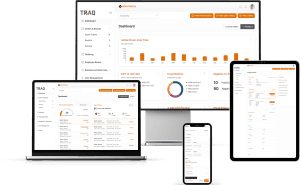
background screening and drug testing to occupational health services and compliance activities. Instead of relying on emails or phone calls for status updates, hiring managers can quickly identify where candidates are in the process, respond to issues faster, and make informed hiring decisions.
This level of transparency improves communication between HR, safety, operations, and compliance teams while helping organizations move qualified candidates through onboarding more efficiently.
Workforce Readiness Starts Before Day One
Hiring efficiency is no longer simply an HR metric—it is a business imperative. Every unnecessary delay represents lost productivity, increased labor costs, and additional operational risk.
Organizations that invest in streamlined hiring workflows, integrated compliance solutions, and experienced screening partners are better positioned to attract top talent, improve workforce readiness, and maintain compliance in an increasingly complex regulatory environment.
At WorkforceQA, we help employers simplify the hiring process without sacrificing quality or compliance. Our integrated workforce compliance solutions allow organizations to hire with confidence, reduce administrative complexity, and get qualified employees on the job faster.
Ready to Improve Your Hiring Process?
Whether you’re hiring commercial drivers, warehouse personnel, healthcare professionals, aviation employees, or other safety-sensitive workers, WorkforceQA provides the expertise, technology, and end-to-end compliance solutions needed to streamline hiring and reduce delays.
Contact WorkforceQA today to learn how our integrated background screening, drug testing, occupational health, and workforce compliance solutions can help your organization reduce time-to-hire while maintaining the highest standards of regulatory compliance.
Suggested resources: