
Key Takeaways
- The most common false positive drug test occurs for amphetamines and methamphetamines, largely due to cross-reactivity with medications such as decongestants, bupropion (Wellbutrin), ADHD meds, and weight-loss drugs.
- False positives happen because initial drug test screens use immunoassay technology, which can mistake chemically similar compounds for illicit drugs.
- Other drug panels also experience false positives—including opioids, THC, and PCP—because of common foods, medications, and OTC products.
- Confirmatory testing, such as GC-MS, is essential for verifying accuracy.
- Employers should implement a structured, compliant process to reduce risk, protect employees, and avoid costly mistakes.
WorkforceQA offers accurate, compliant, and reliable drug testing solutions to help employers navigate potential false positives.
What Is the Most Common False Positive Drug Test?
False positive drug tests can create confusion, stress, and even legal complications for both employees and employers. Although drug testing technology has advanced significantly, no initial screen is perfect—and certain medications and everyday substances can trigger inaccurate results.
So, what is the most common false positive drug test?
The answer is clear: amphetamines, including methamphetamines, are the most frequent source of false positives due to a high rate of cross-reactivity with common prescription and over-the-counter medications.
In this comprehensive guide, you’ll learn:
- How false positives occur
- The most commonly affected drug panels
- Everyday substances that trigger false alarms
- Why confirmatory testing is essential
- The steps employers should take when a false positive is suspected
- How WorkforceQA supports accurate, compliant drug screening
Understanding the Importance of Drug Test Accuracy
Drug testing is a critical part of maintaining a safe, productive workplace. However, the accuracy of the results depends on both the testing method and the correct interpretation. Employers often depend on drug testing programs to support safety-sensitive roles, reduce risk, and promote a culture of accountability—but these objectives can only be achieved when results are properly understood and validated.
Even the most widely used initial screening tests and drug testing methods, such as immunoassays, are not foolproof. While they are fast, cost-effective, and ideal for high-volume environments, they are also more susceptible to cross-reactivity with everyday substances. This means that medications, supplements, and even certain foods can interfere with the test and produce a false positive.
Because an inaccurate result can have significant consequences—ranging from employee stress to legal liability—organizations must take a thoughtful, structured approach to interpreting drug test data. This includes understanding the limitations of screening tests, knowing when confirmatory testing is necessary, and ensuring all results are reviewed by a certified Medical Review Officer (MRO) who can distinguish between legitimate medical use and potential misuse.
A reliable drug testing program is not just about collecting samples; it’s about ensuring accuracy, protecting employee rights, and supporting organizational compliance. When employers choose a partner like WorkforceQA, they gain the advantage of consistent testing protocols, expert analysis, and a multilayered approach designed to reduce false positives and deliver trustworthy results.
What Is a False Positive Drug Test?
A false positive occurs when a drug test mistakenly indicates the presence of an illicit or prohibited substance in someone’s system, even though the individual did not consume that drug.
False Positive vs. False Negative
- False Positive: The test detects a drug that is not actually present.
- False Negative: The test fails to detect a drug that is present.
False positives are especially problematic because they can lead to:
- Wrongful disciplinary action
- Employment consequences
- Damaged employee trust
- Legal liability for employers
Why Do False Positives Happen?
Most workplace drug tests begin with an immunoassay screen, which is the industry standard. Immunoassays identify drug metabolites using antibodies. However, if a non-drug substance has a similar chemical structure, it can “trick” the test and cause a false positive. This happens when a substance, like a medication, is structurally similar enough to a drug to trigger a positive result on a test meant to detect a different substance. This is known as cross-reactivity.
Common causes include:
- Over-the-counter cold medications
- Prescription antidepressants
- ADHD medications
- Certain antibiotics
- Poppy seeds
- CBD or hemp products
Because of these risks, confirmatory testing is essential whenever a positive result is contested or inconsistent with an employee’s known history.
Common Triggers for False Positives
1. Decongestants
Many cold and allergy medications, including Sudafed and similar products, contain pseudoephedrine or phenylephrine, compounds that can mimic amphetamines in screening tests.
2. Antidepressants
Some antidepressants, particularly bupropion (Wellbutrin) and trazodone, are known to cause false positives for amphetamines.
3. ADHD Medications
Even when legally prescribed, medications for ADHD can resemble amphetamine compounds. Common examples include::
- Methylphenidate (Ritalin)
- Atomoxetine (Strattera)
- Lisdexamfetamine (Vyvanse)
While some ADHD medications contain amphetamines, those that do not may still trigger false positives due to chemical similarity.
4. Weight Loss Medications
Phentermine often causes positive results because it closely resembles amphetamine-type stimulants.
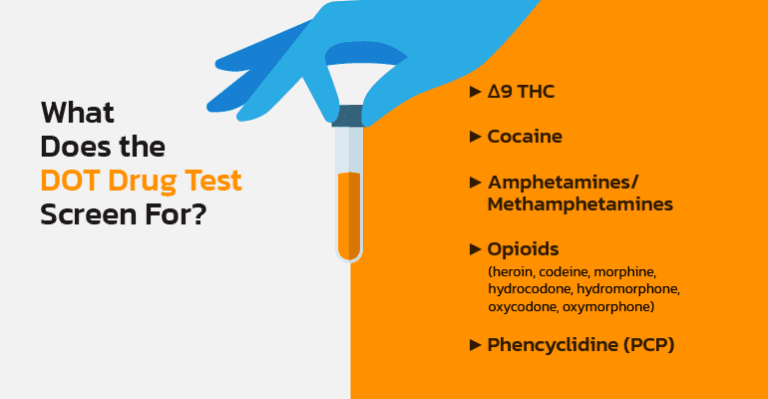
Opioids
False positives for opioids can result from both foods and medications.
Common Triggers for Opioid False Positives
- Poppy Seeds – A surprisingly small amount of poppy seeds can leave trace amounts of morphine or codeine, which may cause an initial positive result.
- Quinolone Antibiotics – Certain antibiotics—especially levofloxacin—have been linked to cross-reactivity in opioid screening assays.
- Cough Suppressants – Dextromethorphan (DXM), found in many OTC cough syrups, can resemble opioid metabolites.
THC (Marijuana)
Although modern testing is advancing, THC still remains one of the most misunderstood panels because of cross-reactive substances.
Common Triggers for THC False Positives
- Ibuprofen – Ibuprofen, widely used for pain relief, has been reported to cause false positives on THC immunoassays.
- Proton Pump Inhibitors (PPIs) – Medications like omeprazole and pantoprazole may mistakenly trigger THC signals.
- CBD and Hemp Products – Because the CBD market is largely unregulated, products labeled “THC-free” may still contain trace levels that lead to a positive result.
PCP (Phencyclidine)
Although PCP use is uncommon, false positives in this category are not.
Common Triggers for PCP False Positives
- Antihistamines – Diphenhydramine (Benadryl) is one of the most frequent culprits.
- Cough Suppressants and Pain Relievers – Both tramadol and dextromethorphan have documented cross-reactive properties.
The Benefits of Confirmatory Testing
Because false positives can occur in many drug panels, confirmatory testing is necessary for accuracy and fairness.
What Is Confirmatory Testing?
Confirmatory testing, usually GC-MS (Gas Chromatography–Mass Spectrometry) or LC-MS/MS, is a much more precise method used to:
- Verify initial results
- Eliminate false positives
- Match drug metabolites with exact chemical signatures
Confirmatory tests do not cross-react, which makes them the gold standard.
Why Employers Should Request Confirmatory Tests
From workplace safety to legal compliance, confirmatory testing safeguards both employees and employers. For regulated industries, especially those governed by the Department of Transportation (DOT), confirmatory testing isn’t just recommended, it’s required.
Under DOT regulations (49 CFR Part 40), any non-negative result on an initial immunoassay screen must be followed by a confirmatory test using Gas Chromatography–Mass Spectrometry (GC-MS) or Liquid Chromatography–Mass Spectrometry (LC-MS/MS).
For non-DOT employers, confirmatory testing is just as important. While not mandated in all industries, confirmatory testing provides the confidence needed to make employment decisions based on scientifically validated data. Without it, organizations risk disciplinary actions based on inaccurate information—something that can harm morale and expose employers to legal challenges.
Reasons confirmatory testing matters:
- Avoiding wrongful termination
- Minimizing litigation risk
- Maintaining fairness and consistency
- Protecting workplace morale
- Ensuring accurate reporting
- DOT compliance
WorkforceQA Perspective
WorkforceQA emphasizes:
- A multi-step testing process
- Accurate and timely results
- Compliance with DOT and non-DOT standards
- Expert Medical Review Officers (MROs)
This minimizes mistakes and enhances employer trust in the results.
How to Address a False Positive Drug Test
Employers must follow a consistent and compliant process to ensure accuracy and fairness.
Steps Employers Should Take When Faced with a Possible False Positive Drug Test
Step 1: Review the Employee’s Medication History
Before drawing conclusions, employers should request that employees disclose:
- Prescription medications
- Over-the-counter medications
- Herbal supplements
- Recent medical treatments
This information is essential for MRO review.
Step 2: Request a Confirmatory Test
If the initial screen is positive, the next step is clear:
👉 Order a confirmatory test using GC-MS or LC-MS/MS.
These precise methods eliminate false positives and provide definitive answers.
Step 3: Maintain Accurate Documentation
Employers should document:
- Employee medication disclosures
- Communication with testing labs
- Steps taken to verify accuracy
- Testing dates and results
Accurate documentation helps ensure legal compliance and fair decision-making.
Legal Protections and Employer Responsibilities in False Positive Drug Tests
Employee Rights:
- Employees may contest the results.
- They may request a confirmatory test.
- They cannot be penalized until results are verified.
Employer Responsibilities:
- Maintain fair and transparent drug testing policies.
- Ensure all testing is conducted through reliable, compliant providers.
- Follow federal, state, and local regulations.
WorkforceQA Perspective
WorkforceQA’s expertise ensures:
- Legally sound processes
- Accurate test interpretation
- Clarity for employers navigating complex situations
Why Employers Choose WorkforceQA for Drug Testing
WorkforceQA is a trusted provider of comprehensive employee screening services, including:
- Drug and alcohol testing
- Background checks
- Occupational health services
- DOT and non-DOT compliance solutions
Employers depend on WorkforceQA for:
- Accurate, fast drug test results
- Reduced risk of false positives
- Smart testing workflows
- Exceptional MRO review
- National collection site coverage
- Compliance-first solutions
Our approach helps ensure that workplaces stay safe, compliant, and productive—while maintaining fairness and accuracy.
Learn more about WFQA’s Drug and Alcohol Testing Services
Learn more about WFQA’s Drug and Alcohol Testing Services
Let us help you create a safer, more compliant workplace with accurate, reliable testing solutions.
Reach out to us today for more information about our drug and alcohol testing services, resources, and more. Our team is ready to help.